Biohazard Cleaning Services Near
Advanced tools and procedures are used in biohazard cleanup services to ensure safe, effective removal of toxic substances from a property. These situations usually follow traumatic events, and we won’t let you handle it alone. Turn to Steri-Clean in for cleaning services that restore your life when you need it the most.
We’re Here To Help
Call Our Compassionate And Discreet Live Help Line (216) 206-9119 or fill in our contact form to request a call back
"*" indicates required fields
What Is Considered a Biohazard?
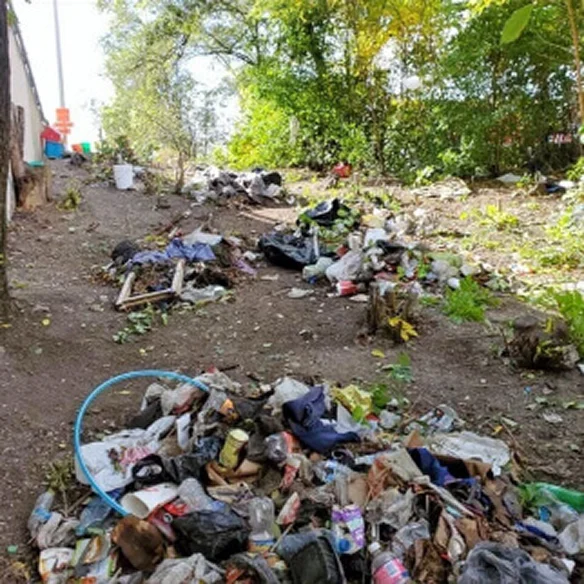
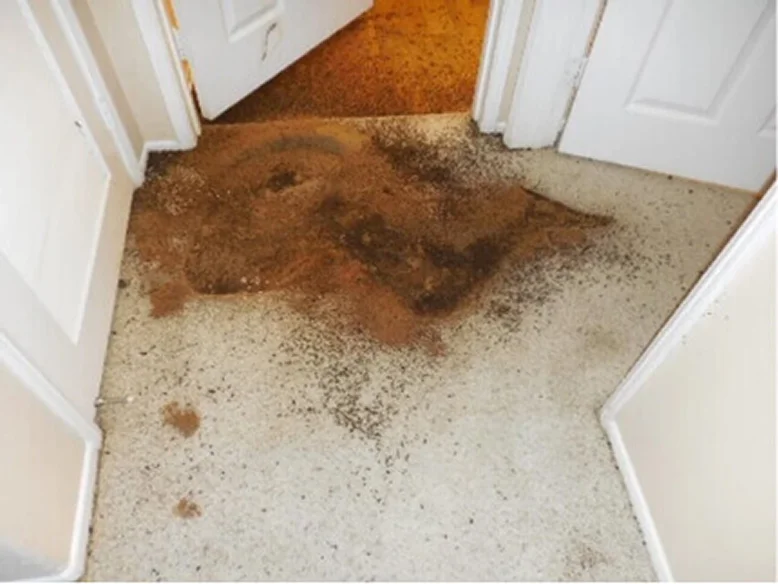
Biohazards are biological substances or materials that can spread disease and threaten humans and other living organisms. They are usually found after events such as an unattended death, hoarding situation, or industrial accident. Typical ones include:
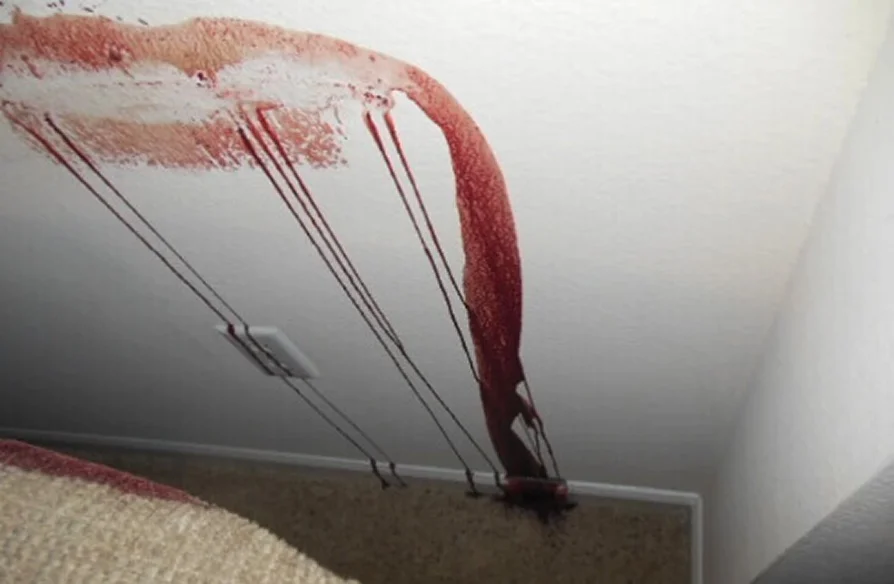
- Blood
- Urine
- Vomit
- Human/Animal Waste
- Mucus
- Saliva
- Medical Waste
- Decomposition Fluid
- Used Sharps (needles, syringes, lancets)
Can I Remove Biohazards On My Own?
Cleaning biohazards should be handled by a professional. If you don’t have the proper training and tools, DIY biohazard cleanup can be a risky job. The environment might appear clean, but biohazards might still remain deep within upholstery, drywall, and carpeted or hardwood floors. The threat to health and safety makes it crucial to have your biohazardous environment professionally decontaminated.
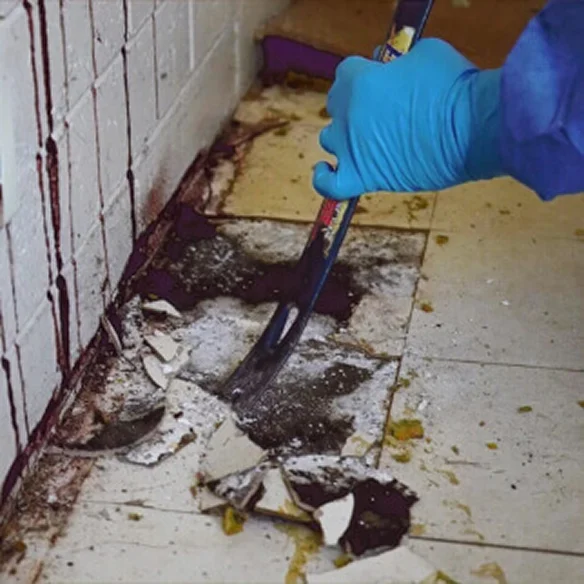
Our team professionally removes biohazards from any situation, whether it’s a crime scene or a hoarded house. We take several steps such as containing the affected area, removing contaminated objects, and cleaning. The proper measures for removing biohazards include protective gear, specialized disinfectants, and compliance with OSHA regulations. With professional biohazard cleanup services, it’s more than just keeping your environment looking clean—it’s about keeping you, your family, and your employees safe.
How Professional Biohazard Removal Works
subheading
Unlike wiping spilled milk off the counter or removing grease from a stovetop, biohazard cleanup is a complex task that requires protective equipment, specialized cleaning procedures, and adherence to OSHA regulations. It’s important to start removal quickly because biohazards can expose you to serious diseases such as hepatitis and HIV. Biohazard removal restores the property’s safety and health through a multi-step process. Before getting started, our team gears up in personal protective equipment (PPE) that includes a mask, gloves, and biohazard suit.
What Are Biohazards?
Biohazard is the common abbreviation for biological hazard—potentially dangerous biological substances that pose a threat to humans and other animals. The most common biohazards are bacteria, viruses, and toxins. These are classified into four categories, from least to most dangerous.
- BSL-1: Non-infectious bacteria, minor bacteria, and viruses that pose little danger.
- BSL-2: Viruses and bacteria that can cause mild disease but are difficult to contract.
- BSL-3: Bacteria and viruses that can be fatal but are easily managed with vaccines and other treatments.
- BSL-4: Viruses and bacteria that can cause fatal diseases and for which there is no vaccine or other treatment.
According to Boston University, biohazardous waste poses a substantial hazard to human health or the environment when improperly treated, stored, transported, or disposed of. Professionally trained teams of technicians are required to combat the dangers of biohazards and ensure the safety of all parties involved.
Let Steri-Clean help you take the first steps in your healing process.
Our Clients